How to Choose DDR5 RAM: Capacity, Speed, Timings, and Kits That Make Sense
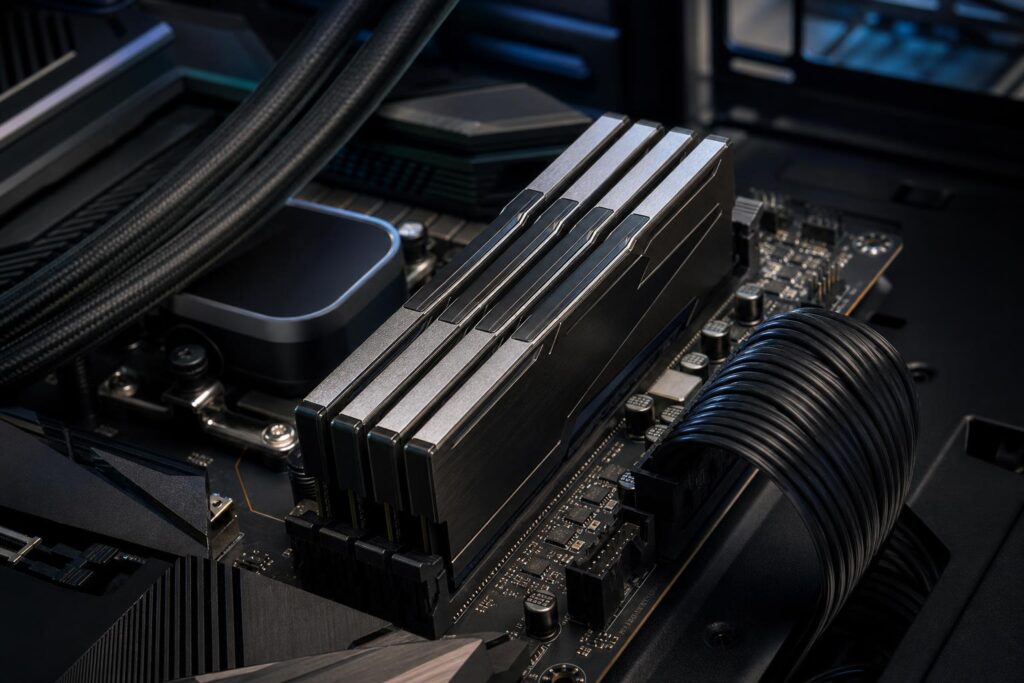
DDR5 RAM choices can get confusing fast. Learn how capacity, speed, timings, DIMM count, and memory profiles affect a gaming PC or professional workstation.

DDR5 RAM choices can get confusing fast. Learn how capacity, speed, timings, DIMM count, and memory profiles affect a gaming PC or professional workstation.
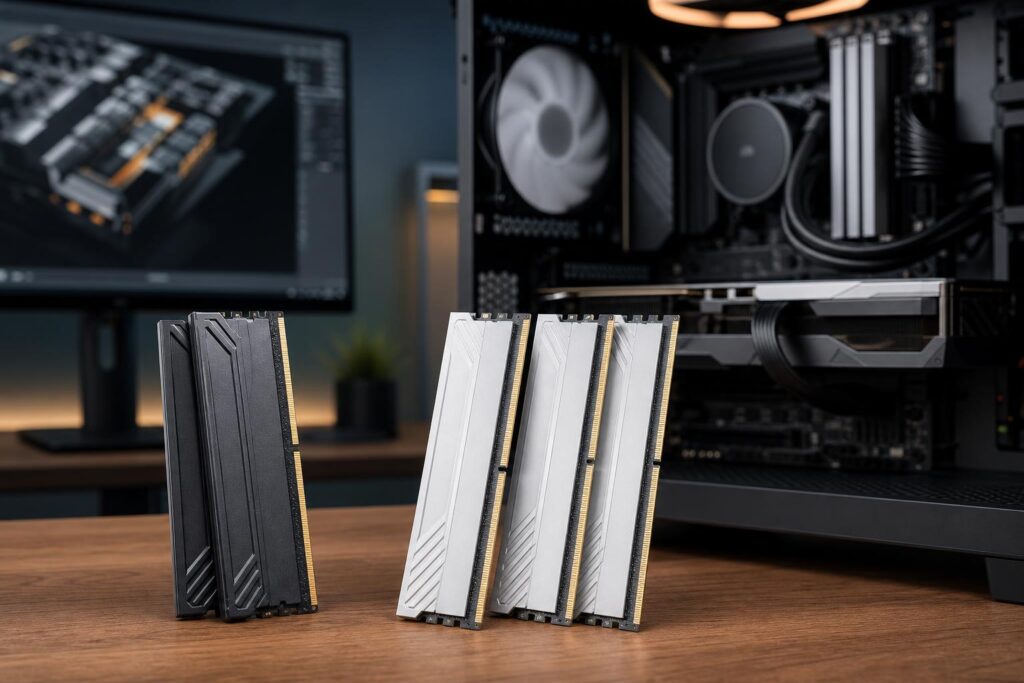
Two memory sticks are usually the best choice for a new DDR5 PC, but four can be the right answer when a workstation needs more capacity. Here is how to choose without sacrificing stability or wasting money.
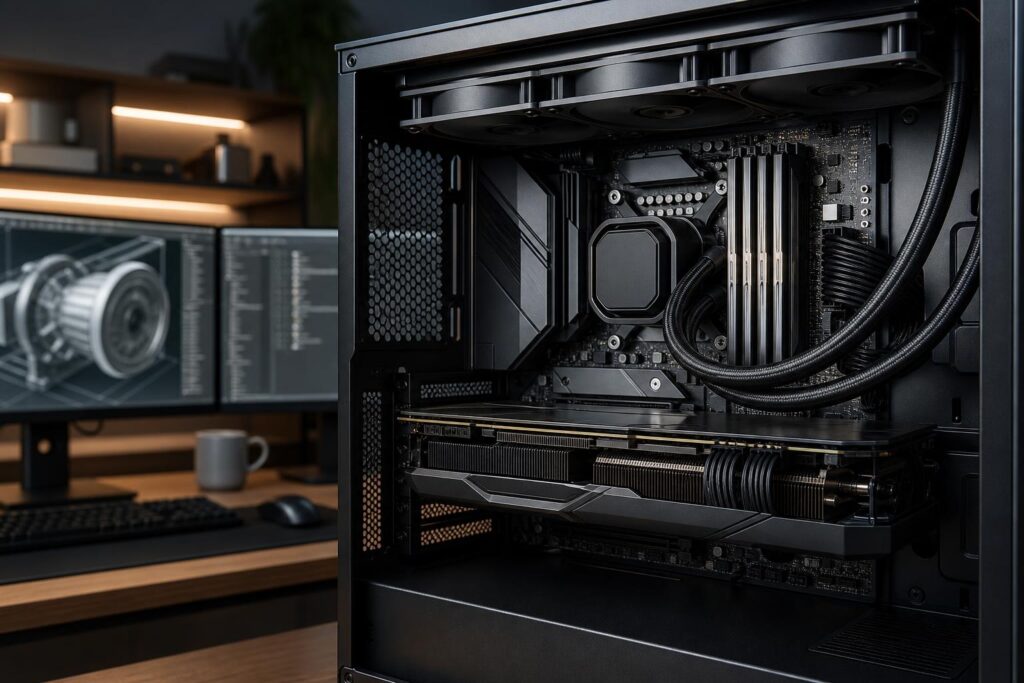
DDR5 memory speed, latency, channels, and profiles can be confusing. Here’s how to choose RAM that makes sense for a gaming PC, workstation, or high-performance custom build.
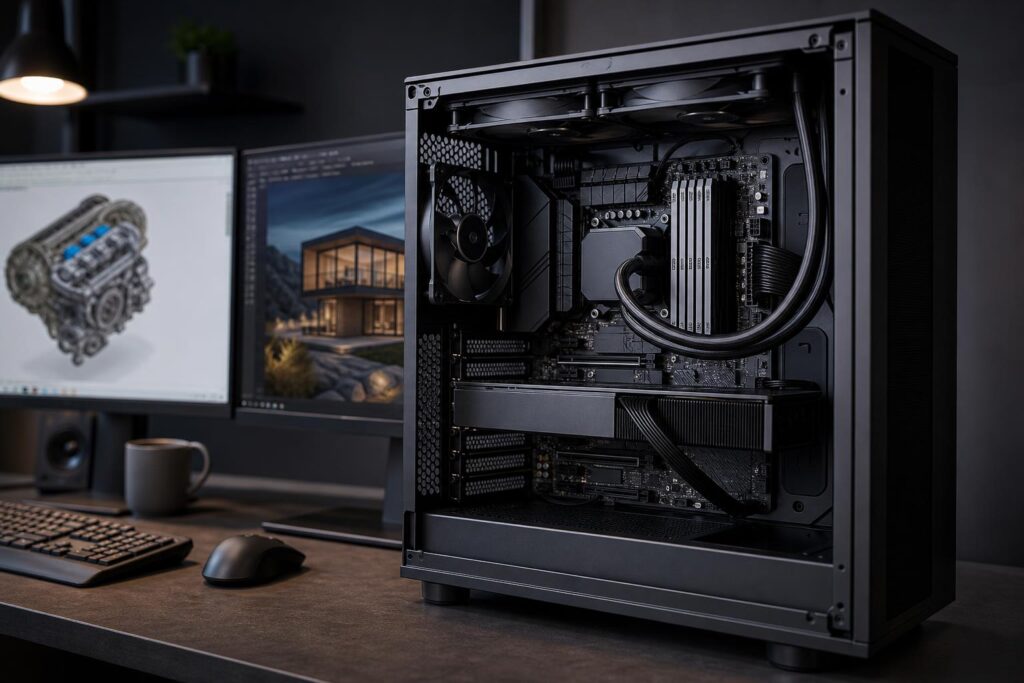
ECC memory can detect and correct certain memory errors, but it is not necessary for every powerful PC. Learn who benefits, what hardware support it needs, and when to spend the budget elsewhere.
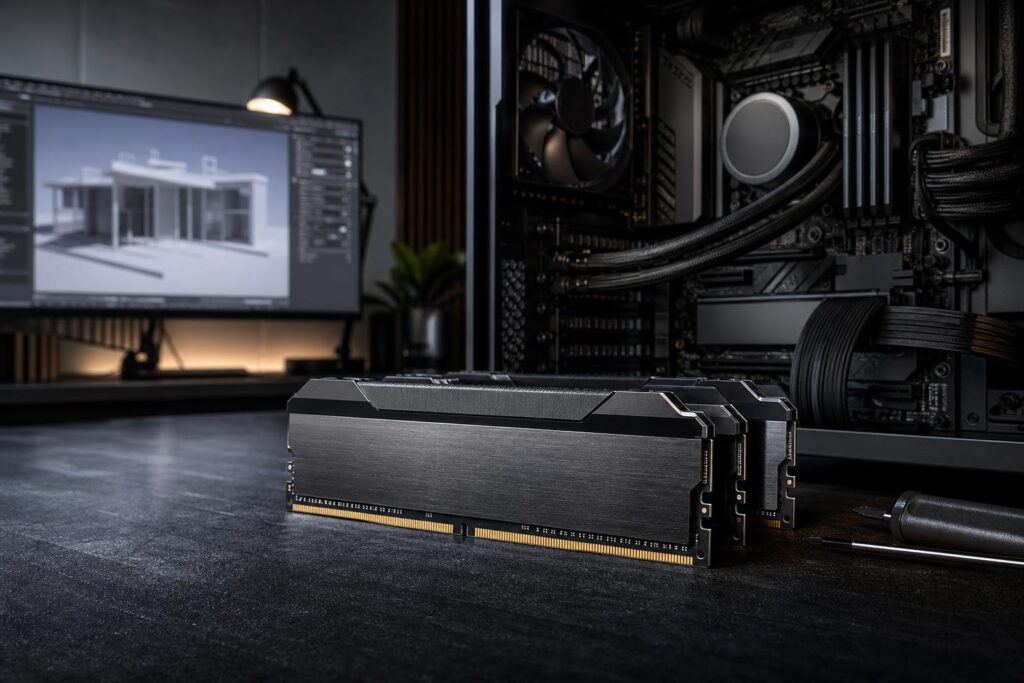
DDR5 memory speed can affect gaming and workstation performance, but the fastest kit is not always the best buy. Learn what MT/s, timings, profiles, and platform support mean before choosing RAM.
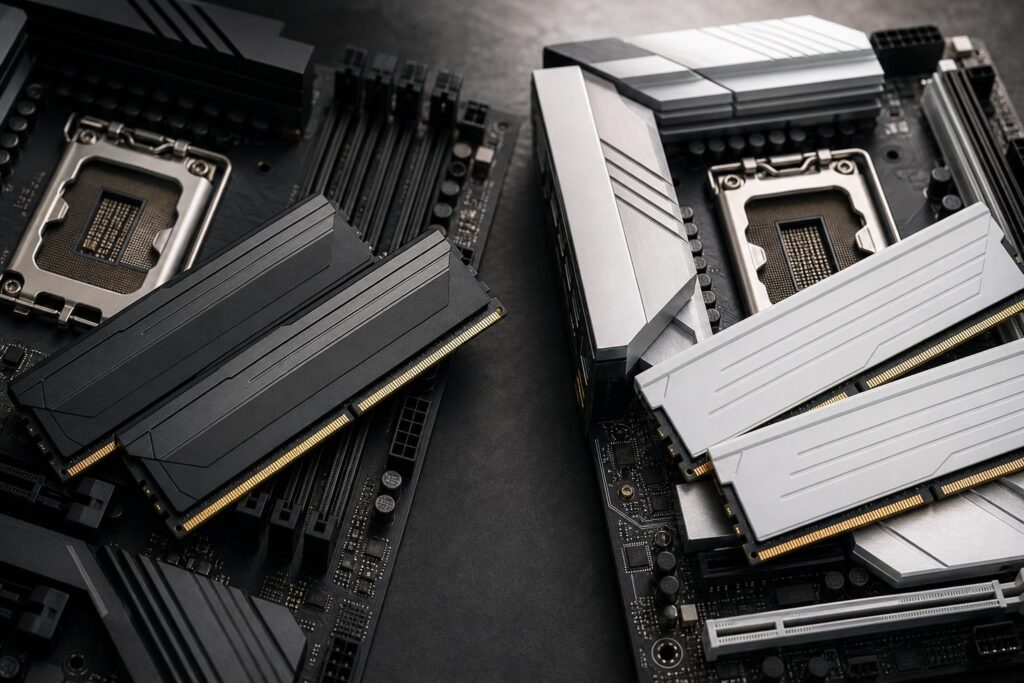
DDR4 can still be useful for an existing PC, but DDR5 is usually the sensible choice for a new gaming PC or workstation. Here’s what changes in real use and where your budget is best spent.
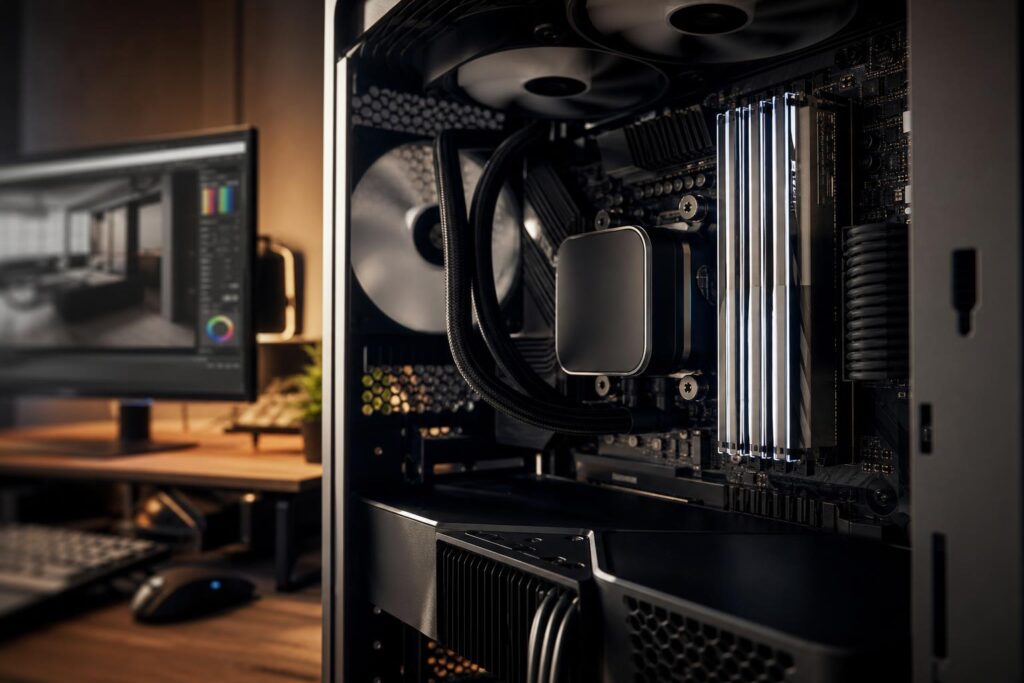
Learn how single- and dual-channel RAM affect gaming and workstation performance, when one memory stick makes sense, and why matching memory kits matter.
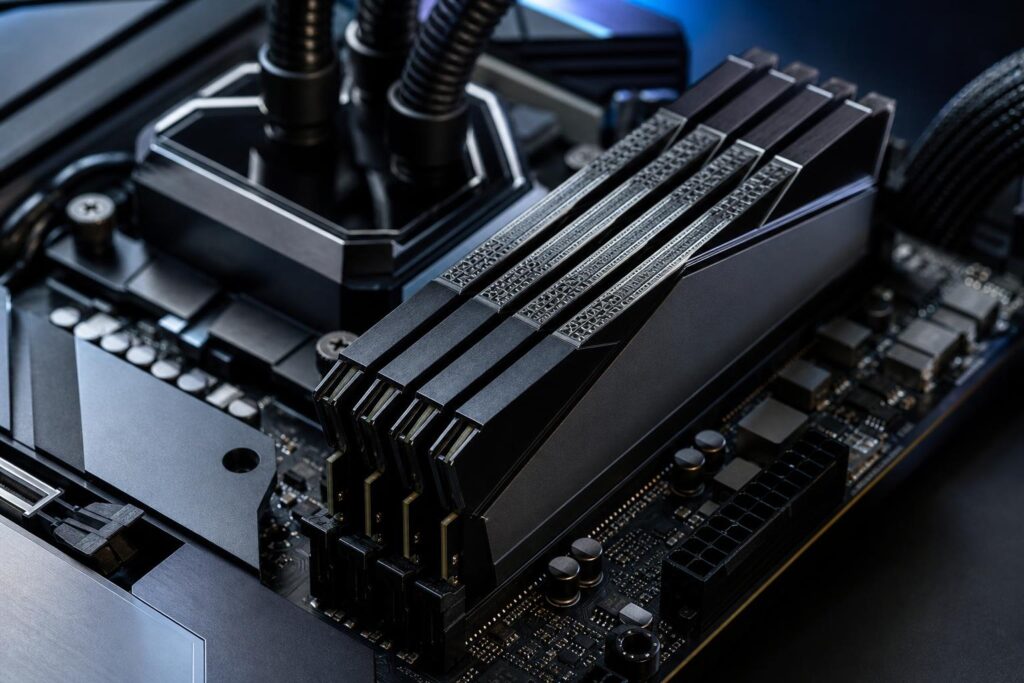
DDR5 RAM is more than a capacity decision. Learn how memory speed, timings, module count, and platform support affect a gaming PC or professional workstation.
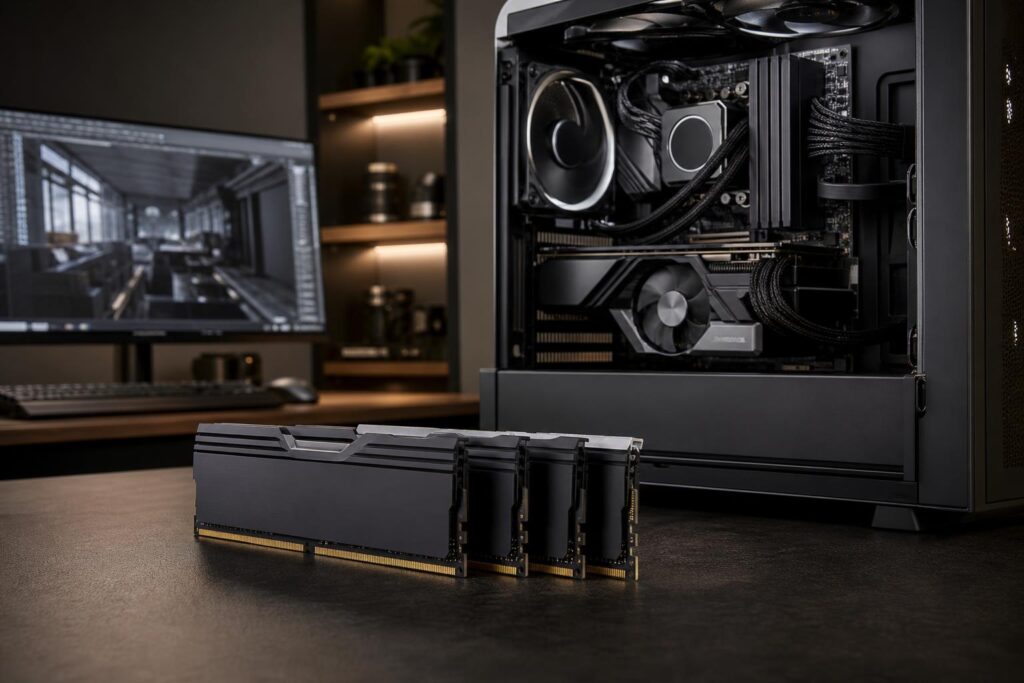
16GB is workable for basic gaming, but 32GB is the practical starting point for most new performance PCs. Learn when 64GB, 96GB, or more memory is worth buying.