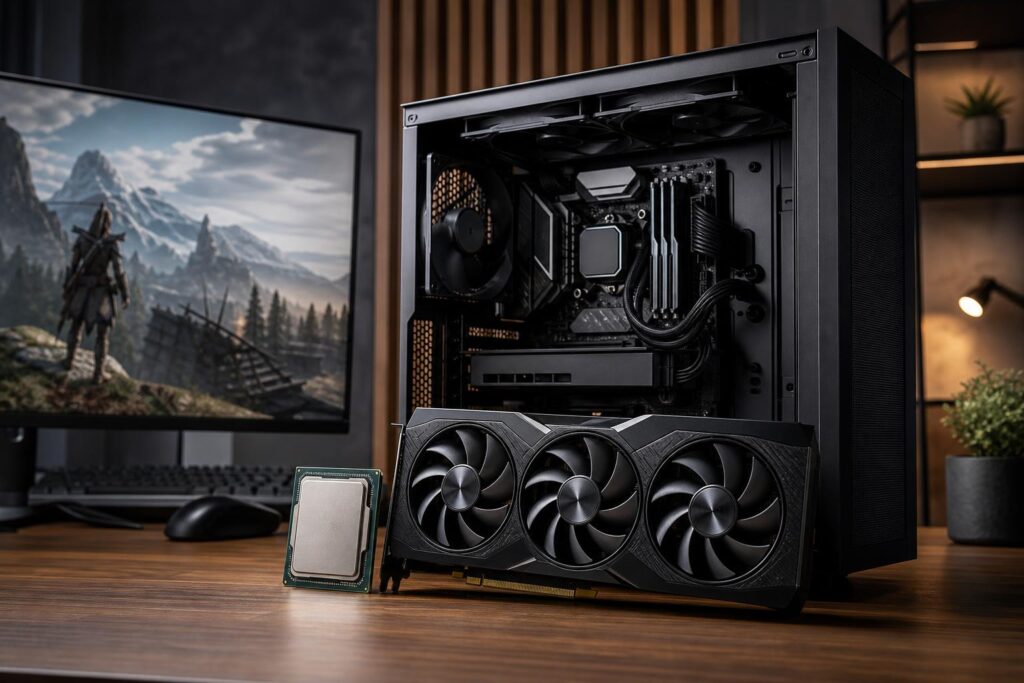
The GPU usually has the biggest effect on gaming performance, but the right CPU matters greatly for high frame rates, simulation-heavy games, and a balanced long-term build. Here’s how to choose.
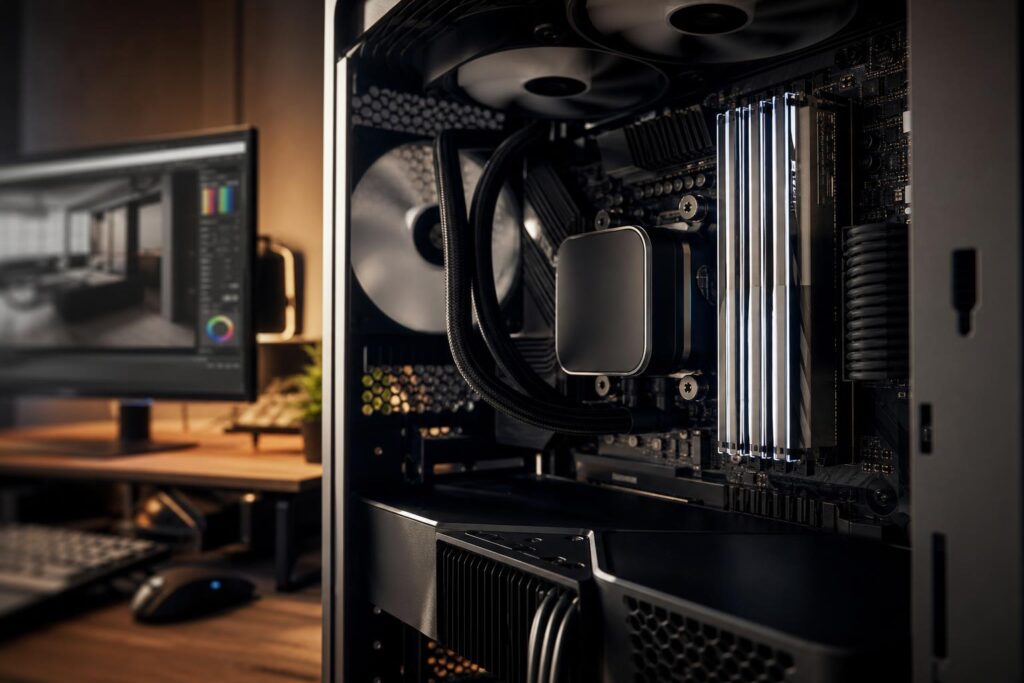
Learn how single- and dual-channel RAM affect gaming and workstation performance, when one memory stick makes sense, and why matching memory kits matter.
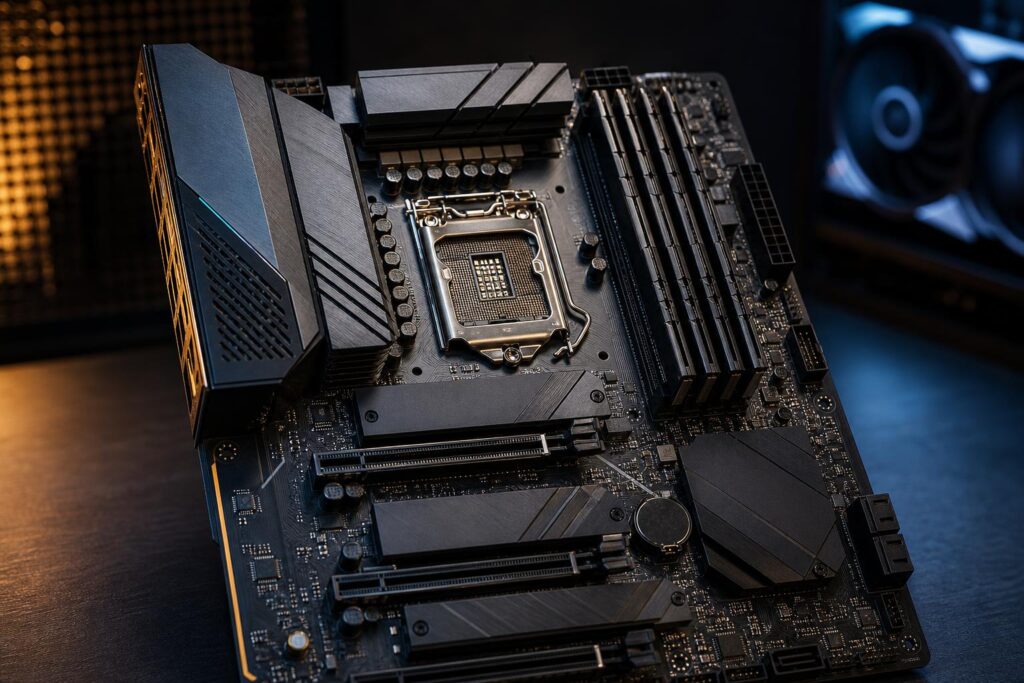
A practical guide to choosing a motherboard for a gaming PC or workstation, including chipsets, power delivery, storage, ports, expansion, and compatibility.
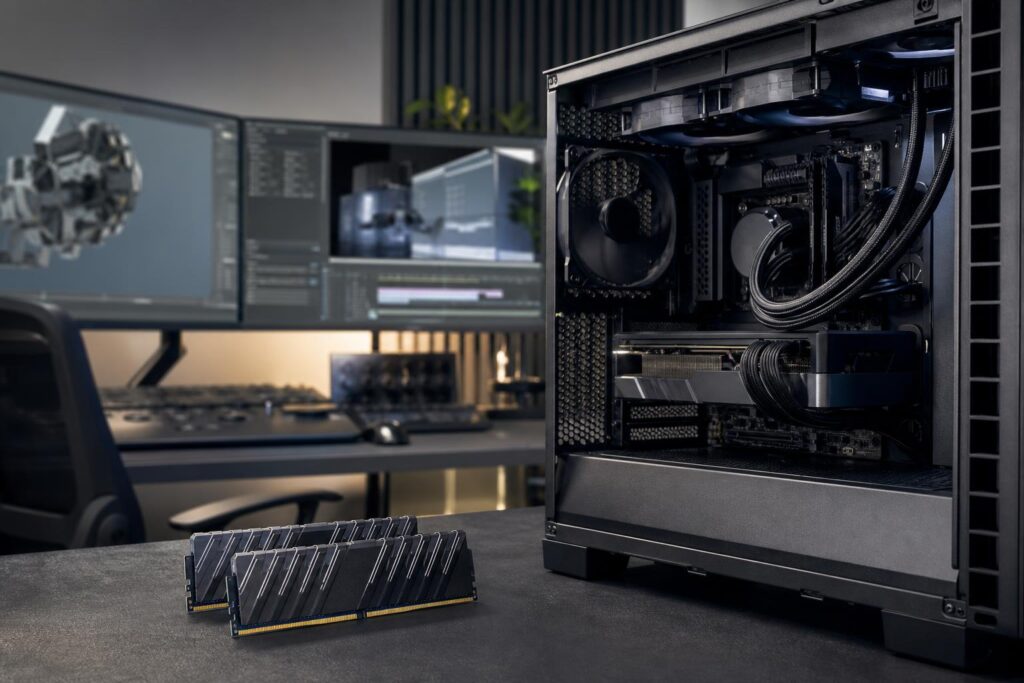
16GB is no longer the easy default for every new PC. Learn when 32GB, 64GB, or more RAM makes practical sense for gaming, streaming, content creation, CAD, and demanding workstation software.
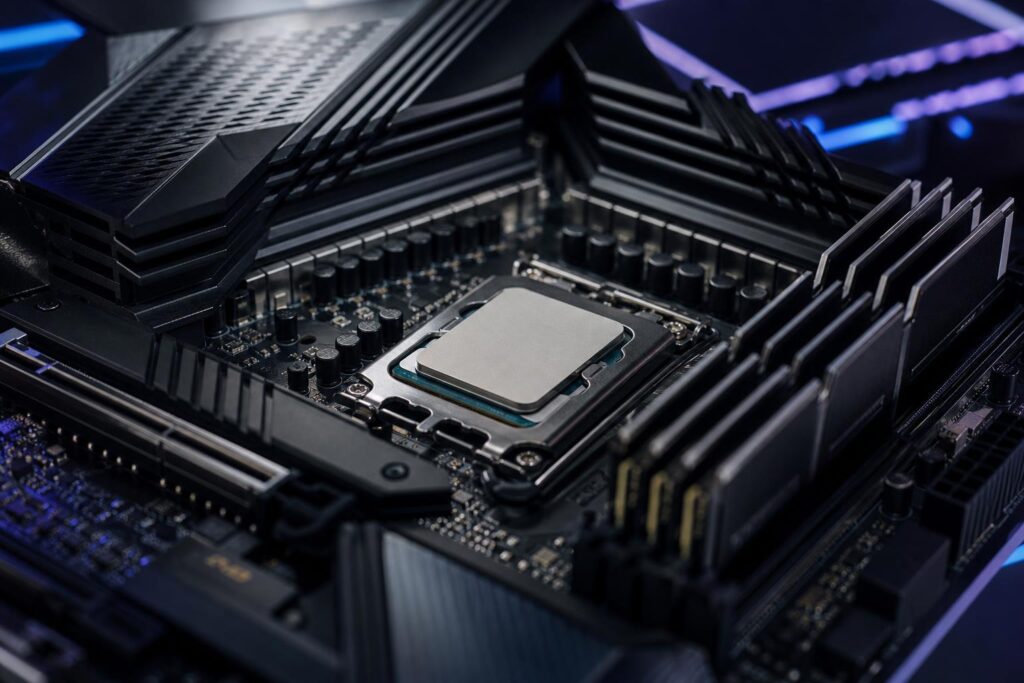
Choosing a CPU is about more than buying the highest core count. Learn which processor class makes sense for gaming, streaming, editing, 3D work, development, and mixed-use PCs.
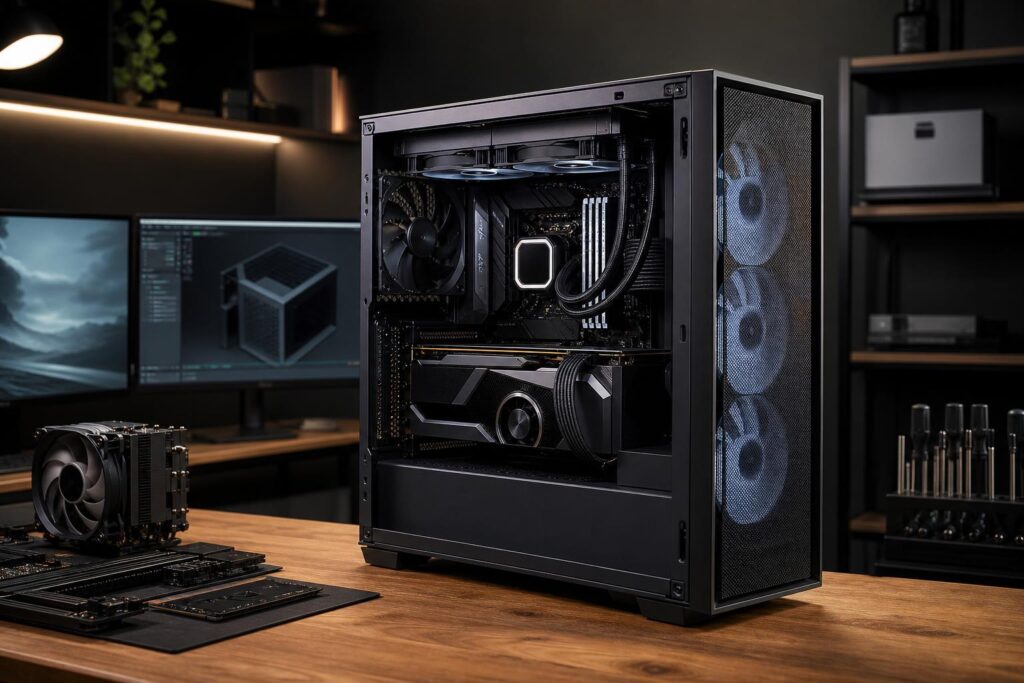
A PC case does more than hold parts. Learn how airflow, GPU clearance, radiator support, noise control, and layout affect a custom gaming PC or workstation.
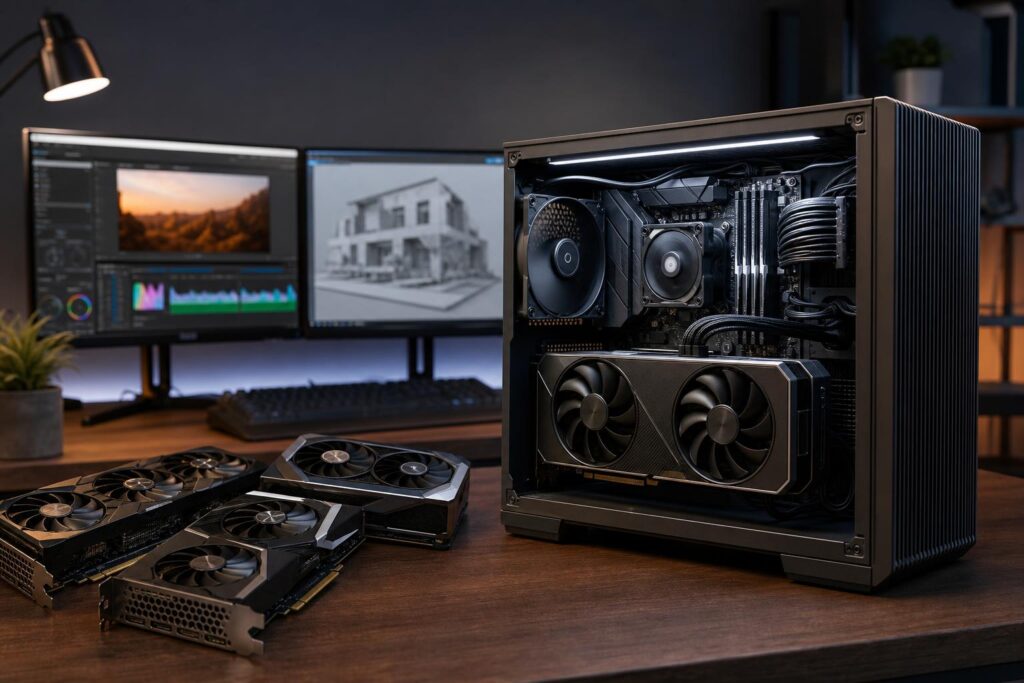
A practical guide to choosing a graphics card for gaming, content creation, CAD, 3D work, and AI—without overspending on specifications you will not use.
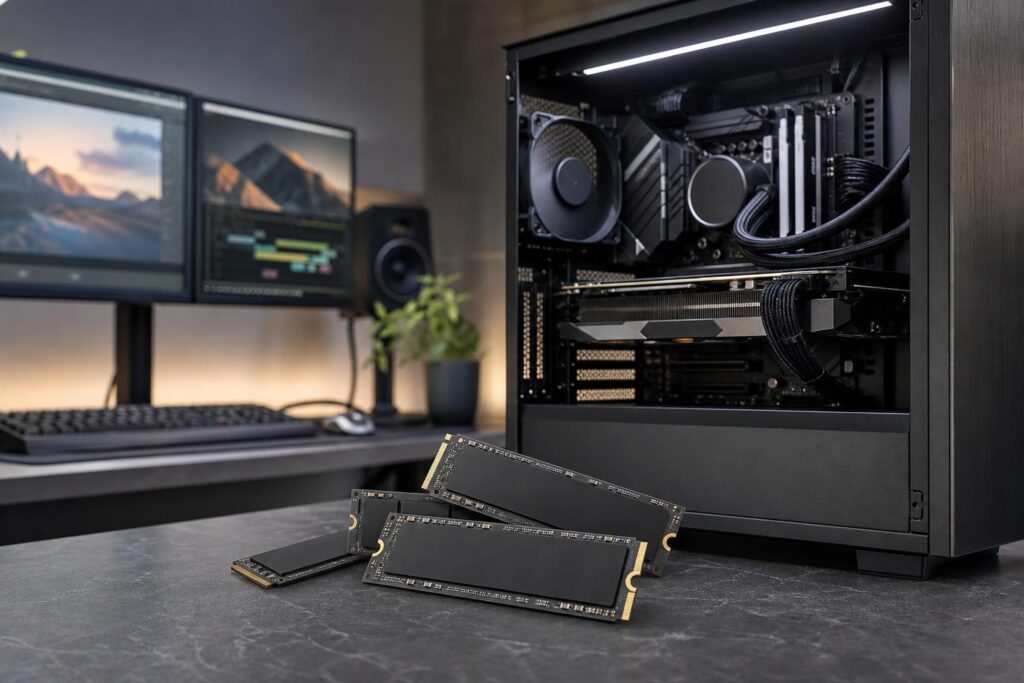
A practical guide to choosing SSD capacity and drive layouts for gaming PCs, creative workstations, and demanding professional applications.
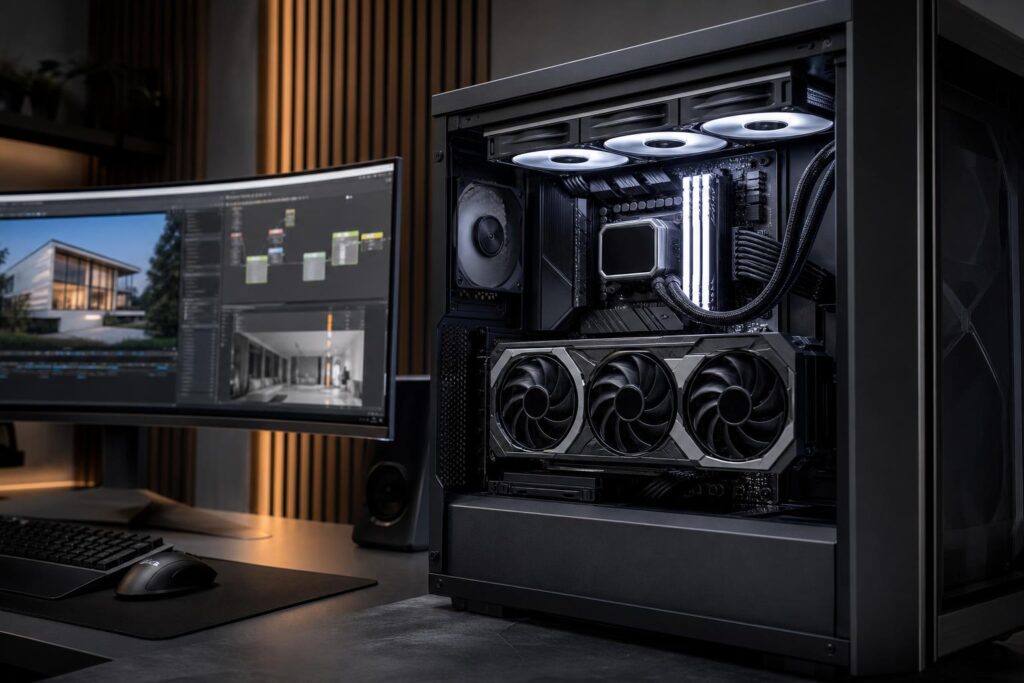
VRAM affects texture quality, resolution, rendering, video work, and local AI tasks. Learn how much graphics card memory makes sense for gaming, creative work, CAD, and more.
